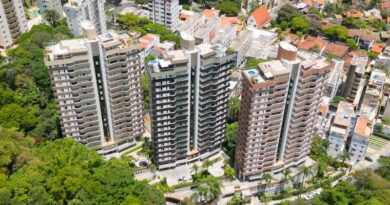
Singapore is widely known as one of the most stable and attractive real estate markets in the world. With strong economic fundamentals, transparent regulations, and consistent demand for housing, many investors see Singapore residential property as a reliable way to build long-term wealth. Whether you are a first-time buyer or someone looking to expand your investments, starting a real estate portfolio in Singapore requires proper planning, financial discipline, and knowledge of the market.
In this guide, we will walk through the key steps to help you start your real estate investment portfolio in Singapore in a practical and informed way.
Understanding Why Singapore Property Is Attractive for Investors
Singapore’s real estate market has remained resilient over the years due to several important factors. The country has a limited land supply, a growing population, and strong demand for housing from both locals and expatriates. These factors contribute to stable property prices and steady rental demand.
Another advantage is the government’s strict regulations and transparent property transaction system. Investors have access to reliable market data, which helps them make informed decisions. Additionally, Singapore’s infrastructure, safety, and global business environment continue to attract professionals from around the world, further strengthening demand for residential properties.
Because of these reasons, property investment in Singapore is often viewed as a long-term strategy for wealth preservation and capital appreciation.
How to Start Your Real Estate Investment Portfolio in Singapore
Step 1: Define Your Investment Goals
Before purchasing your first property, it is important to define your investment objectives clearly. Different investors have different goals when entering the real estate market.
Some investors focus on rental income, aiming to generate consistent monthly cash flow. Others prioritize capital appreciation, where the property increases in value over time and is sold later for profit.
You should ask yourself questions such as:
- Are you investing for long-term wealth building?
- Do you want rental income to supplement your salary?
- Are you planning to hold multiple properties in the future?
Clarifying your goals will help you choose the right type of property and location.
Step 2: Understand Property Types in Singapore
Singapore offers several types of residential properties, each with different eligibility rules and investment potential.
HDB Flats
HDB flats are government-built public housing and are the most common housing option for Singapore citizens. However, they have strict eligibility requirements and minimum occupation periods before they can be sold or rented out.
Executive Condominiums (ECs)
ECs are a hybrid between public and private housing. They are initially subsidized by the government but eventually become private property after a certain period.
Private Condominiums
Private condos are popular among investors because they can be rented out easily and often provide better long-term appreciation.
Landed Properties
These include terrace houses, semi-detached homes, and bungalows. They are generally more expensive and usually limited to Singapore citizens.
Most first-time investors start with private condominiums due to their rental potential and relatively easier entry into the property investment market.
Step 3: Assess Your Financial Capacity
Real estate investment requires significant financial commitment, so it is important to assess your finances carefully.
Key financial factors include:
- Down payment requirements
- Monthly mortgage repayments
- Buyer’s Stamp Duty (BSD)
- Additional Buyer’s Stamp Duty (ABSD) if applicable
- Legal and administrative costs
In Singapore, banks follow the Total Debt Servicing Ratio (TDSR) framework, which limits the amount you can borrow based on your income and existing debts.
A common strategy for investors is to ensure the rental income can cover a significant portion of the mortgage payment. This helps reduce financial pressure and improves the sustainability of the investment.
Step 4: Choose the Right Location
Location plays a critical role in the success of your property investment. Properties located near major business hubs, MRT stations, schools, and lifestyle amenities tend to attract higher demand from tenants and buyers.
Some investors focus on city fringe developments, where prices are relatively lower than the central region but still offer strong accessibility. Others prefer properties in established residential districts known for long-term appreciation.
For example, new waterfront or well-planned developments such as Vela Bay Condo often attract attention from buyers and investors due to their modern facilities, strategic location, and future growth potential.
When evaluating a property location, consider factors like future infrastructure projects, transport connectivity, and nearby employment centers.
Step 5: Research the Market Carefully
Successful property investors spend time studying market trends before making a purchase. Understanding property cycles can help you identify the right time to buy.
Important aspects to analyze include:
- Historical property price trends
- Upcoming residential developments
- Government land sales (GLS) sites
- Rental yield in specific districts
Rental yield is calculated by dividing the annual rental income by the property price. This metric helps investors understand how efficiently a property generates income.
You should also compare similar properties in the same district to determine whether the price is reasonable.
Step 6: Consider Long-Term Portfolio Growth
Starting a real estate portfolio is not just about buying one property. Many investors aim to build multiple assets over time.
A common approach is to begin with a manageable property investment and gradually upgrade as your financial capacity improves. Some investors refinance their property loans or use accumulated equity to purchase additional properties later.
Building a diversified portfolio may include different types of properties, locations, or investment strategies. For example, one property may generate rental income while another focuses on long-term capital appreciation.
The key is to plan your purchases strategically so that each investment supports your long-term financial goals.
Step 7: Understand Government Policies and Taxes
Singapore’s government actively manages the property market to maintain stability. As a result, investors need to be aware of various regulations and taxes.
Some of the key policies include:
- Buyer’s Stamp Duty (BSD)
- Additional Buyer’s Stamp Duty (ABSD)
- Seller’s Stamp Duty (SSD)
- Property taxes for residential properties
These policies can affect investment returns, especially for those planning to buy multiple properties. Understanding these rules helps investors avoid unexpected costs and make better decisions.
Step 8: Think Like a Long-Term Investor
Property investment is rarely a quick profit strategy. Instead, it is most effective when viewed as a long-term wealth-building asset.
Successful investors focus on:
- Strong locations
- Quality developments
- Sustainable rental demand
- Long-term price appreciation
Patience and disciplined financial planning are essential. Over time, property values may fluctuate, but well-chosen investments in strong markets like Singapore often perform well in the long run.
Conclusion
Starting your real estate investment portfolio in Singapore can be a rewarding journey when approached with careful research and financial planning. By understanding the property market, defining your investment goals, and selecting the right locations, you can build a solid foundation for long-term wealth.
The key is to begin with a clear strategy and make informed decisions based on market trends and financial capability. With Singapore’s stable economy, strong property regulations, and consistent housing demand, real estate continues to be one of the most reliable ways to grow and protect your wealth over time.